Pre-Physical Therapy Program: Build the Foundation for a Career in Physical Therapy
Concordia University Chicago’s pre-physical therapy program prepares you for admission to a Doctor of Physical Therapy (DPT) program through rigorous science coursework, individualized faculty advising, and structured preparation for observation hours, PTCAS applications, and graduate admissions. Build the academic foundation needed to become a licensed physical therapist.
PROGRAM BENEFITS
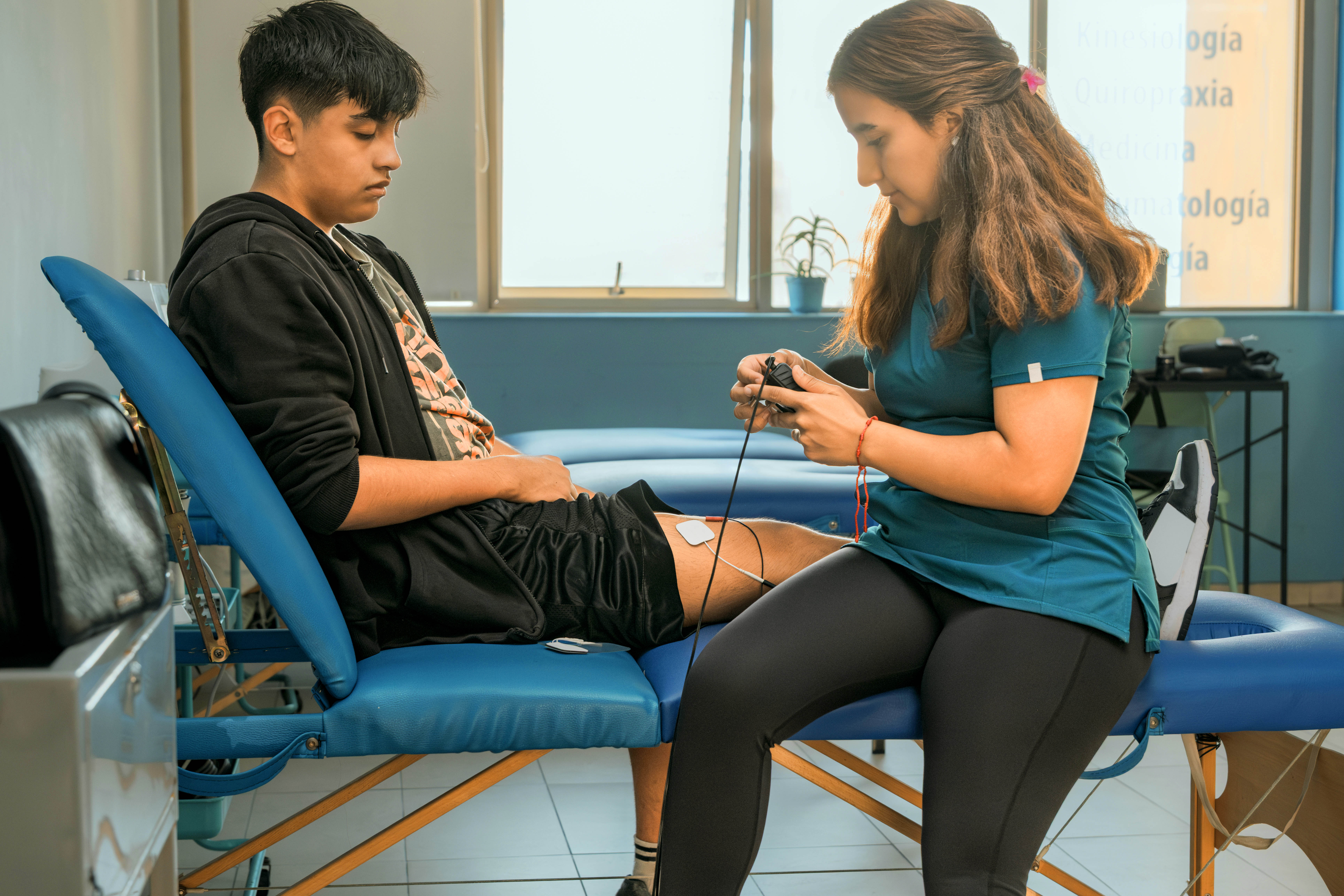
Develop the scientific foundation, advising support, and clinical preparation needed to become a competitive applicant for Doctor of Physical Therapy programs.
Build a Competitive DPT Application
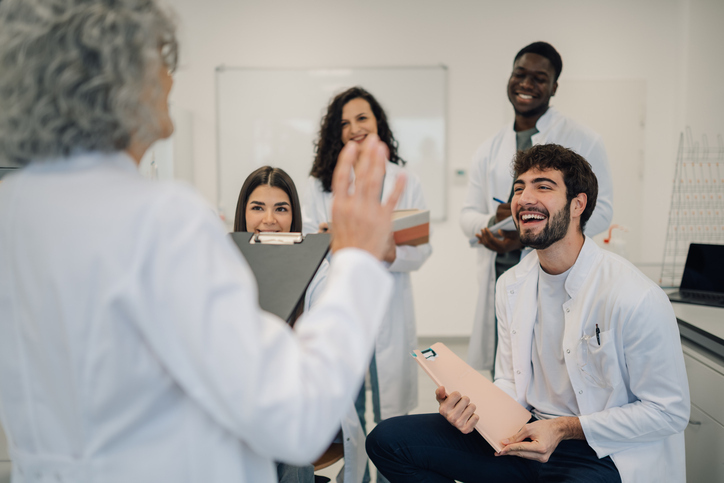
Complete prerequisite coursework while preparing for PTCAS, observation hours, graduate admissions, and evolving DPT program requirements.
Explore the pathway

Learn with Personalized Faculty Advising
Receive one-on-one guidance selecting coursework, planning observation experiences, preparing application materials, and choosing graduate programs that match your goals.
Study Near Chicago’s Healthcare Network
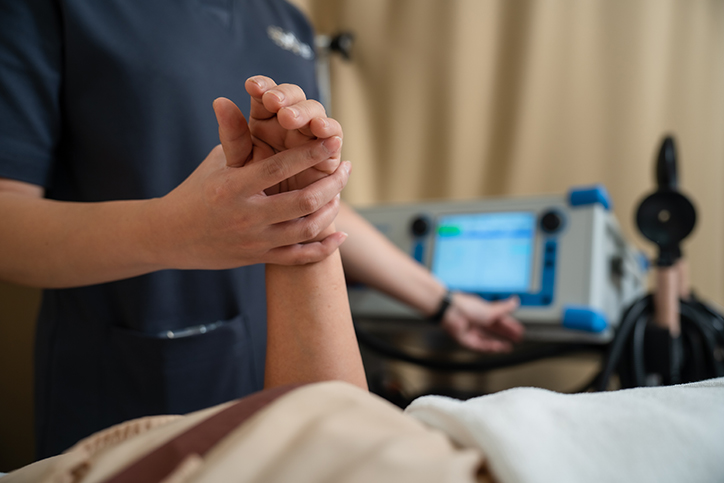
Learn in River Forest, Illinois, with access to Chicago-area hospitals, rehabilitation providers, sports medicine clinics, and physical therapy practices that support observation experiences
Discover opportunities
Who This Program Is For:
This pathway is designed for students who want to earn a bachelor’s degree while preparing for Doctor of Physical Therapy programs and future careers improving movement, mobility, rehabilitation, and patient quality of life.
What You’ll Learn in the Pre-Physical Therapy Program
Concordia University Chicago’s pre-physical therapy program prepares you for the academic, clinical, and professional expectations of Doctor of Physical Therapy (DPT) programs. Through rigorous science coursework, individualized advising, and Chicago-area observation opportunities, you’ll build a competitive foundation for graduate study and future licensure as a physical therapist.
Pre-physical therapy is a pre-professional pathway, not a standalone major. You’ll earn a bachelor’s degree while completing the prerequisite coursework required by Doctor of Physical Therapy programs.
Although students may choose any major, Health Science and Biology are recommended pathways because their curricula naturally align with many DPT prerequisites, reducing the need for additional coursework before applying to graduate school. Since admission requirements vary among universities, faculty advisors work one-on-one with students to create an academic plan based on their preferred DPT programs.
Successful physical therapists begin with a strong understanding of human movement, anatomy, physiology, and evidence-based healthcare. Depending on your undergraduate major and graduate school goals, your coursework may include:
- Human Anatomy with laboratory
- Human Physiology with laboratory
- General Biology I & II
- General Chemistry I & II
- Physics I & II
- Statistics
- Psychology
- Exercise Science or Kinesiology
- Biomechanics
- Evidence-based scientific inquiry
You’ll learn to evaluate scientific research, interpret data, and apply evidence-based thinking that supports future clinical decision-making in rehabilitation and patient care.
Admission to Doctor of Physical Therapy (DPT) programs involves more than completing prerequisite courses. Concordia University Chicago helps students prepare every component of a competitive application.
Faculty advisors provide guidance on:
- Selecting prerequisite coursework
- Maintaining a competitive cumulative and science GPA
- Preparing for GRE requirements when applicable
- Completing observation hours
- Requesting letters of recommendation
- Writing a compelling personal statement
- Navigating the Physical Therapist Centralized Application Service (PTCAS)
Because admission requirements continue to evolve, advisors help students monitor program-specific expectations throughout their undergraduate experience.
Most DPT programs require 100 to 200 or more documented observation hours completed under the supervision of licensed physical therapists. These experiences do more than satisfy admission requirements. They introduce students to different patient populations, rehabilitation settings, interdisciplinary healthcare teams, documentation standards, and daily clinical practice, helping confirm that physical therapy is the right career path.
Concordia University Chicago helps students identify observation opportunities throughout the Chicago metropolitan area. Students may gain experience in outpatient orthopedic clinics, sports medicine practices, pediatric rehabilitation, hospital rehabilitation departments, and organizations such as Athletico Physical Therapy and Shriners Children’s. These experiences strengthen graduate applications while providing valuable insight into the profession.
Physical therapists work with patients across every stage of life and in a wide variety of healthcare settings. During your undergraduate preparation, you’ll gain exposure to the many specialties available within the profession, including:
- Orthopedic rehabilitation
- Sports physical therapy
- Pediatric physical therapy
- Geriatric physical therapy
- Neurologic rehabilitation
- Cardiopulmonary rehabilitation
Understanding these specialties helps you make informed decisions about observation experiences, graduate programs, and long-term career goals.
Preparing for physical therapy school is a multi-year process that requires thoughtful academic planning and consistent mentorship. Concordia University’s faculty and advisors work closely with students from their first semester through graduate school applications.
Students receive individualized support in selecting a major, sequencing prerequisite coursework, identifying observation opportunities, preparing PTCAS applications, and evaluating Doctor of Physical Therapy programs that align with their goals. Students in Concordia’s health and exercise programs consistently describe faculty as approachable, responsive, and committed to helping them succeed in challenging movement science and anatomy courses.
Affiliations & Partnerships
Connect classroom learning with real-world healthcare experiences through faculty guidance and clinical observation opportunities across the Chicago metropolitan area
- Athletico Physical Therapy
- Shriners Children’s
- Hospital rehabilitation departments
- Sports medicine clinics
- Outpatient orthopedic clinics
- Chicago-area observation sites
- Faculty mentorship
- Professional networking
Frequently Asked Questions About the Pre-Physical Therapy Program
No. Concordia University Chicago’s pre-physical therapy program is a pre-professional pathway rather than a standalone major. You’ll earn a bachelor’s degree while completing the prerequisite coursework commonly required for Doctor of Physical Therapy (DPT) programs. Although students may choose any major, Health Science and Biology are recommended because they naturally align with many DPT admission requirements and provide a strong foundation in anatomy, physiology, and movement science.
The program prepares you to apply to Doctor of Physical Therapy (DPT) programs after you earn your bachelor’s degree. You’ll complete the foundational coursework commonly required for admission while developing scientific reasoning, communication, problem-solving, and evidence-based decision-making skills that support future clinical practice. Faculty advisors also help you prepare for graduate admissions through individualized academic planning and professional guidance.
Admission requirements vary by institution, but many DPT programs evaluate applicants using several factors, including prerequisite coursework, cumulative and science GPA, observation hours, letters of recommendation, and a personal statement submitted through the Physical Therapist Centralized Application Service (PTCAS). Some schools also require or recommend GRE scores, while others have adopted GRE-optional policies. Concordia advisors help students understand each program’s requirements and build a competitive application strategy.
The Physical Therapist Centralized Application Service (PTCAS) is the common application system used by most Doctor of Physical Therapy programs in the United States. Rather than submitting separate applications to every school, students typically use PTCAS to submit transcripts, observation hours, letters of recommendation, personal statements, and other required materials. Concordia University Chicago advisors help students understand the PTCAS timeline and prepare complete, competitive applications.
Many DPT programs require 100 to 200 or more documented observation hours completed under licensed physical therapists. Requirements vary by institution and often encourage experience across multiple practice settings, including outpatient orthopedics, inpatient rehabilitation, sports medicine, pediatrics, and geriatrics. Observation experiences also help students understand the day-to-day responsibilities of physical therapists and strengthen graduate applications. Concordia helps students identify observation opportunities through its Chicago-area healthcare network.
Although admission standards differ among universities, many competitive Doctor of Physical Therapy programs look for cumulative and science GPAs of approximately 3.0 to 3.5 or higher. GPA is only one part of the admissions process. Programs also evaluate prerequisite coursework, observation experience, recommendations, and personal statements, making long-term academic planning an important part of preparing for graduate school.
After completing your bachelor’s degree, you’ll apply to a CAPTE-accredited Doctor of Physical Therapy (DPT) program. Most DPT programs require approximately three years of full-time graduate study that combines classroom instruction with supervised clinical experiences. After graduation, you’ll take the National Physical Therapy Examination (NPTE) administered by the Federation of State Boards of Physical Therapy (FSBPT). Once you pass the NPTE, you’ll apply for licensure through the state physical therapy board where you plan to practice.
Licensed physical therapists help patients restore movement, reduce pain, improve mobility, and recover from injuries, surgeries, or chronic conditions. They work in hospitals, outpatient rehabilitation clinics, sports medicine practices, physician offices, schools, home healthcare, skilled nursing facilities, and wellness centers. After gaining professional experience, physical therapists may pursue board certification through the American Board of Physical Therapy Specialties (ABPTS) in specialties such as orthopedics, sports, pediatrics, geriatrics, neurology, cardiopulmonary care, oncology, or women’s health.
Hear From Students Preparing for Healthcare Careers
"The BS in Health Science at CUC gave me a massive advantage. Thanks to the tight-knit faculty mentorship and the LECOM early acceptance partnership, I felt fully supported and completely prepared to take my next step into graduate medical studies."
— Sarah M., Pre-Physical Therapy Track
"My pre-physical therapy education at Concordia University Chicago helped me connect classroom learning with real patient-centered skills. From studying movement and rehabilitation concepts to practicing in hands-on labs, I gained the confidence and preparation I needed to take the next step toward a career in physical therapy."
— Alyssa M., Pre-Physical Therapy Student

Start Building Your Path to Physical Therapy School
Your journey begins by applying to Concordia University Chicago and selecting a bachelor’s degree that supports your career goals. From your first semester, faculty advisors help you develop an academic plan that aligns with Doctor of Physical Therapy prerequisites, graduate admissions expectations, and your long-term professional aspirations.

Invest in Your Future as a Physical Therapist
Preparing for a career in physical therapy begins with a strong undergraduate education. Concordia University Chicago offers scholarships, financial aid, and personalized support to help make your bachelor’s degree more affordable while preparing you for graduate study and future professional success.
Learn From Faculty Invested in Your Future
Faculty within Concordia University Chicago’s College of Health, Science & Technology provide individualized mentoring throughout your undergraduate experience. From selecting prerequisite coursework to preparing for PTCAS applications and graduate admissions, you’ll receive guidance from educators committed to helping you reach your goal of earning a Doctor of Physical Therapy degree.


