Online Master's in Sports Nutrition: Fuel Performance, Recovery, and Lifelong Health
Nutrition is the difference between an athlete who performs and an athlete who peaks. Concordia University Chicago's 100% online Master of Science in Applied Exercise Science with a concentration in Sports Nutrition gives you the advanced, evidence-based knowledge to design fueling, hydration, recovery, and supplementation strategies that measurably improve performance and health. Taught asynchronously by faculty who practice in the field, the program lets you keep working while you build expertise in nutrient metabolism, body composition, ergogenic aids, and nutrition counseling — and prepares you to pursue the International Society of Sports Nutrition's Certified Sports Nutritionist (CISSN) credential.

Program Snapshot
Study the science of fueling human performance through a flexible, faith-informed online master's program built for working professionals in fitness, coaching, athletics, and health care.
- Format: 100% Online, Asynchronous
- Degree: Master of Science in Applied Exercise Science
- Concentration: Sports Nutrition
- Cost: $575 per credit hour (Guaranteed Fixed Tuition)
- Start Date / Deadline: Cohorts start year-round
- Class Size: Small, community-focused online cohorts
- Certification Alignment: International Society of Sports Nutrition — Certified Sports Nutritionist (CISSN)
- Outcomes: Sports Nutrition, Performance Consulting, Corporate Wellness, Research, and Doctoral Study
MS in Applied Exercise Science: Sports Nutrition Program Benefits
Gain the scientific foundation, practical counseling skills, and research literacy required to translate nutrition science into performance results for athletes, teams, and everyday clients.
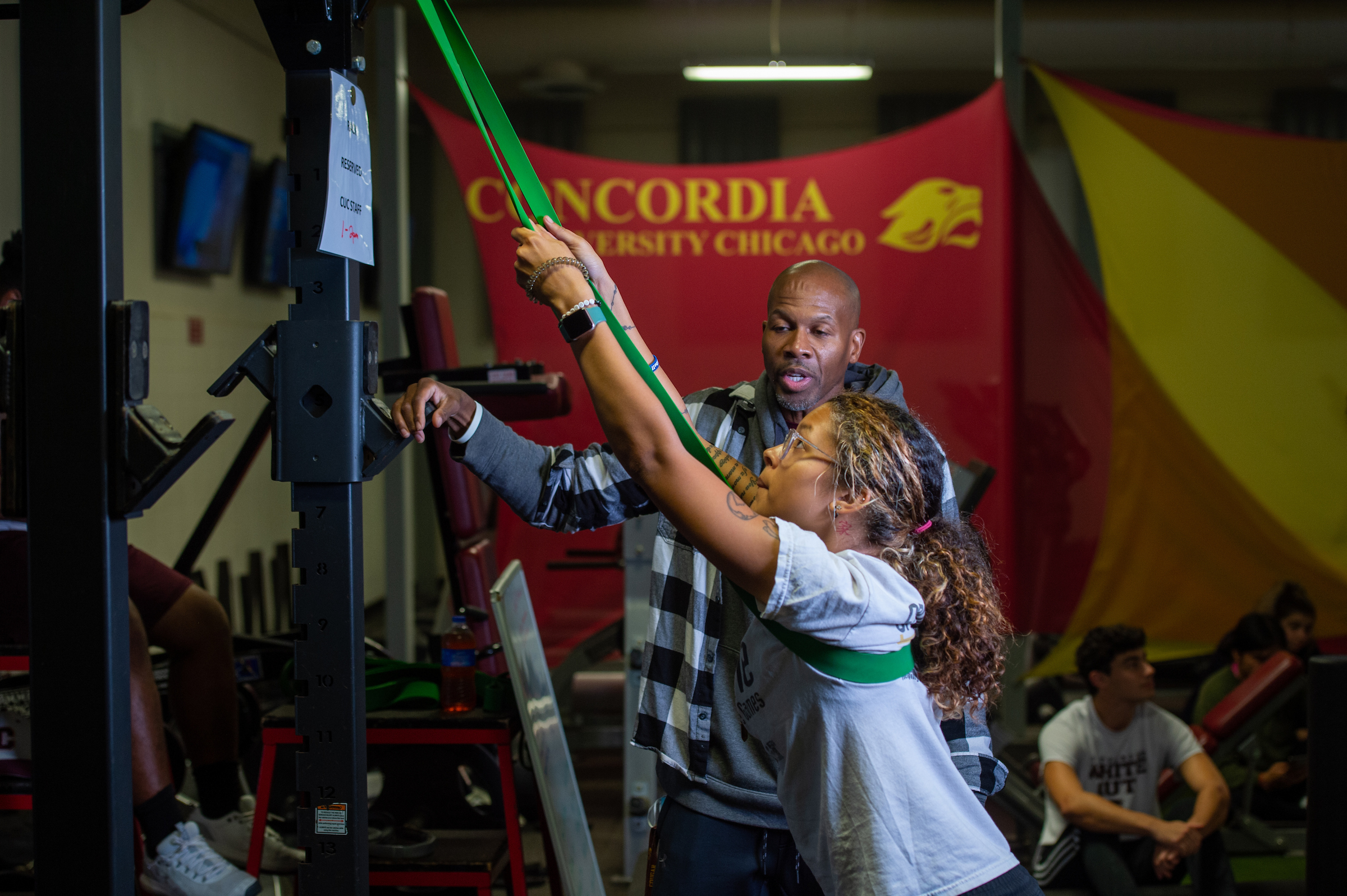
Master the Science of Nutrition and Human Performance
Examine nutrient metabolism, energy balance, macronutrient periodization, hydration, body composition, and dietary supplementation through an evidence-based lens. You'll learn to evaluate claims critically, interpret the research literature, and build individualized fueling strategies for training, competition, and recovery.
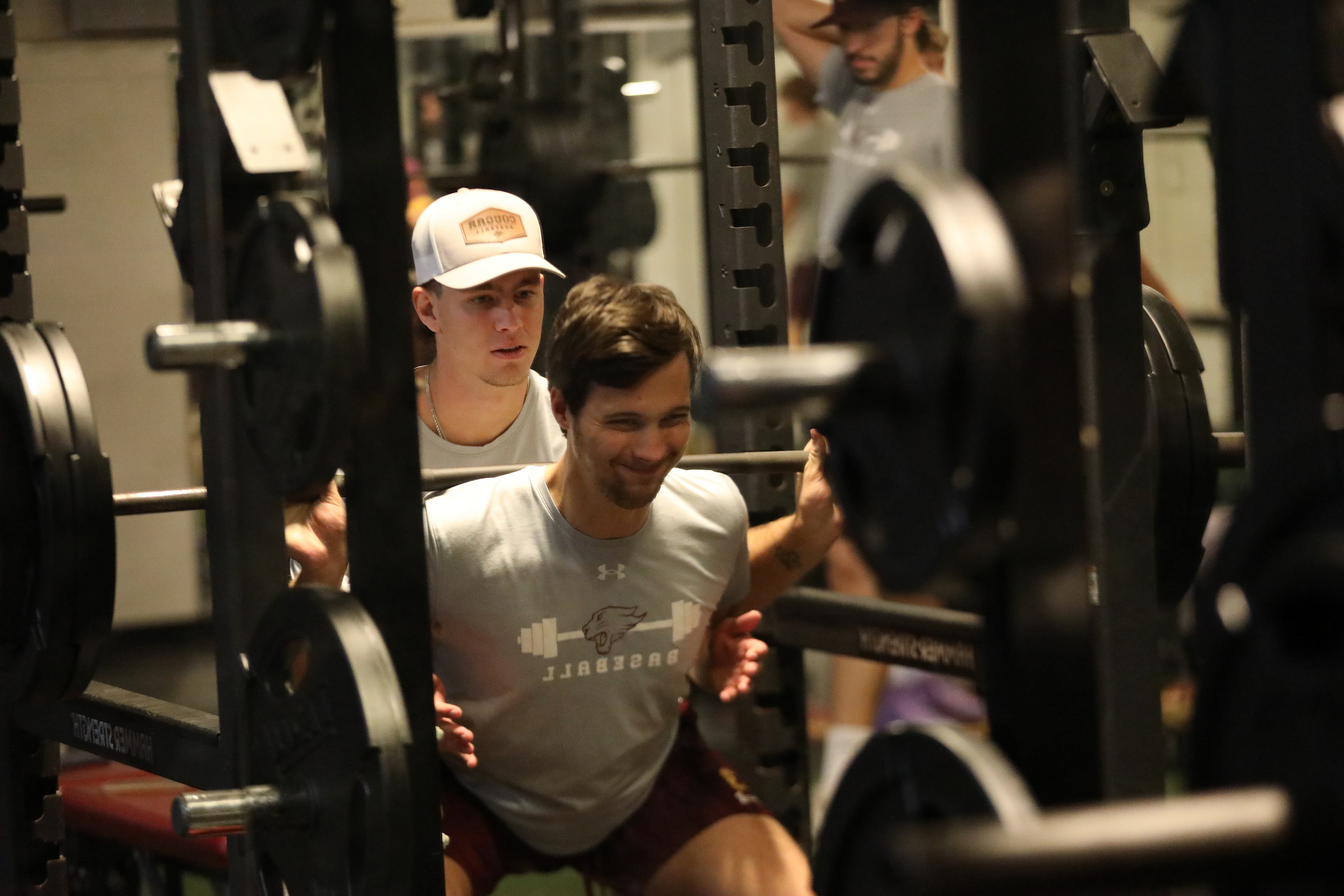
Prepare for Industry Certification and Career Advancement
Coursework aligns with the competencies assessed by the International Society of Sports Nutrition (ISSN) Certified Sports Nutritionist (CISSN) exam, positioning you for roles with athletic programs, professional teams, performance facilities, corporate wellness initiatives, and your own consulting practice — or for continued doctoral study.

$76,400 Median annual salary for nutritionists (2025, bls.gov)

18 Months to complete the program

13:1 Average Student to Faculty Ratio
Who This Program Is For
This concentration is built for practitioners who already work with active people — or want to — and need graduate-level credibility in nutrition science. If you are translating fueling guidance into real outcomes for athletes, patients, or clients, this program gives you the evidence base and the credential pathway to do it well.
- Strength and conditioning coaches and sport coaches who advise athletes on fueling
- Personal trainers and fitness professionals expanding into performance nutrition
- Certified athletic trainers supporting recovery and return-to-play nutrition
- Registered dietitians specializing in sport and performance populations
- Corporate wellness and health coaching professionals
- Collegiate and professional athletics staff
- Exercise science educators and instructors
- Professionals preparing for doctoral study (PhD, DPT, or related programs)
What You’ll Learn
All MS in Applied Exercise Science students complete a shared scientific core before and alongside concentration study:
- AES-6020 Kinesiology I or AES-6040 Biomechanics I: Upper extremity musculoskeletal anatomy, stabilization systems, kinematics, and kinetics.
- AES-6030 Kinesiology II or AES-6045 Biomechanics II: Trunk and lower extremity anatomy, motion analysis, and force production.
- AES-6050 Research Design and Methods in Exercise Science: Statistics, data interpretation, scientific writing, and research ethics.
- AES-6200 Applied Exercise Physiology or AES-6250 Advanced Exercise Physiology: Neuromuscular, metabolic, and cardiorespiratory adaptations to exercise. Prerequisite: B or higher in AES-6050.
- AES-6300 Exercise and Sport Nutrition: Explores the relationships between nutrition, energy metabolism, and exercise and sport performance, with an in-depth analysis of dietary and nutritional supplementation. Prerequisite: B or higher in AES-6050, and AES-6200 or AES-6250.
- AES-6990 Capstone Experience in Applied Exercise Science: Culminating experience producing a tangible product — publishable journal article, professional field experience, conference presentation, advanced certification, program or facility development, or curriculum development.
Concentration coursework moves from foundational nutrition science into applied, client-facing practice:
- Advanced Sports Nutrition: In-depth study of macronutrient and micronutrient requirements for athletic populations, nutrient timing, energy availability, and fueling for specific sport demands.
- Nutritional Supplementation and Ergogenic Aids: Critical evaluation of the efficacy, safety, legality, and regulatory status of dietary supplements and performance aids.
- Special Topics: Seminar in Sports Nutrition: Analysis of emerging research, case studies, and current controversies in performance nutrition.
- AES-6380 Practicum: Sports Nutrition: Applied field experience implementing nutrition assessment, counseling, and programming with real clients or athletes in your community. Serves as the concentration prerequisite for AES-6990 Capstone.
Graduates leave the program able to:
- Conduct nutrition and body composition assessments for athletic and active populations
- Design individualized fueling, hydration, and recovery plans aligned to training cycles
- Evaluate supplement claims against peer-reviewed evidence and regulatory standards
- Apply behavior-change and counseling strategies that drive client adherence
- Interpret and communicate research findings to coaches, athletes, and medical staff
- Practice with ethical integrity and scope-of-practice awareness
- Lead nutrition education efforts across teams, clinics, and organizations
Concordia's sports nutrition courses are taught by practitioners who work with athletes and active clients directly. Students regularly cite faculty responsiveness and individualized feedback as a defining feature of the program.
Concordia University Chicago pairs academic rigor with a Christian liberal arts foundation. With Christ at the center of all we do, students are encouraged to lead with integrity, compassion, and purpose — serving the physical health and well-being of the people and communities they work with.
Students may combine Sports Nutrition with a second concentration — such as Exercise Physiology, Human Movement Science, or Strength and Conditioning — to broaden their credentials. Graduates of the MS in Applied Exercise Science can also transfer up to 12 eligible credits directly into CUC's online PhD in Exercise Science.
Potential Careers in Sports and Performance Nutrition
A graduate credential in sports nutrition creates flexibility in career choices, allowing graduates to explore diverse paths — including consulting, nutrition education, and writing for sports publications — while gaining professional recognition in a competitive job market.
- Sports Nutritionist: Work with athletes and active individuals to develop customized nutrition plans that enhance performance, improve recovery, and support overall health.
- Dietitian for Professional Sports Teams: Collaborate with coaches and medical staff to design and implement nutrition programs that optimize athletes' performance and endurance during training and competition.
- Performance Nutrition Consultant: Provide expert nutritional advice to sports organizations, fitness centers, and individual clients, helping them achieve specific fitness goals through targeted dietary strategies.
- Researcher in Sports Nutrition: Conduct research on the effects of diet and supplementation on athletic performance, body composition, and recovery, contributing to the advancement of sports nutrition science.
- Corporate Wellness Nutritionist: Design and deliver nutrition programming that improves employee health, energy, and productivity across organizational wellness initiatives.
- Nutrition Educator / Writer: Translate performance nutrition science for athletes, coaches, media outlets, and sports publications.
- University Instructor: Teach undergraduate nutrition, exercise science, and human performance coursework.
Frequently Asked Questions
It is an advanced, fully online graduate degree that combines exercise physiology, kinesiology, and research methods with specialized study in nutrient metabolism, performance fueling, body composition, and dietary supplementation. Graduates are prepared to support athletes and active populations with evidence-based nutrition strategies.
Graduates work as sports nutritionists, performance nutrition consultants, team dietitians, corporate wellness nutritionists, researchers, nutrition educators and writers, and university instructors. The degree also strengthens applications to doctoral programs.
Yes. Coursework aligns with the competencies assessed by the International Society of Sports Nutrition (ISSN) Certified Sports Nutritionist (CISSN) credential, one of the field's most recognized certifications.
No. The program welcomes coaches, trainers, athletic trainers, clinicians, and other health and performance professionals. Students who are RDs use the degree to specialize in sport populations; non-RD students should understand and practice within their professional scope.
Concordia University Chicago locks in your tuition per credit hour. As long as you maintain continuous enrollment, your rate will never increase during your program.
Yes. All coursework is 100% online and delivered asynchronously, giving working adults the flexibility to study on their own schedule without sacrificing work or family commitments.
Applicants need a bachelor's degree from a regionally accredited institution with a minimum cumulative GPA of 2.85 (conditional review available), official transcripts, a professional objective statement, and letters of recommendation. GRE scores are not required.
Yes. Sports Nutrition can be paired with another MS in Applied Exercise Science concentration, such as Exercise Physiology, Human Movement Science, or Strength and Conditioning.
Hear from Concordia Students and Alumni
“CISSN I passed with flying colors and I got over a 90%.”
-Nicole, Former CUC Student

Admissions & Requirements: Take the Next Step
Admission requirements for the Sports Nutrition concentration are the same as those established for Concordia University Chicago’s Master of Science in Applied Exercise Science program.

Tuition & Affordability
Tuition for the Sports Nutrition concentration is the same as the tuition established for the Master of Science in Applied Exercise Science program.


